
Zimbabwe, a land steeped in rich history and vibrant culture, is home to a remarkable collection of architectural marvels. These iconic buildings stand as testaments to the nation’s progress, showcasing a fusion of traditional African influences and modern design concepts. In this article, we take a captivating journey through some of Zimbabwe’s most popular buildings, unraveling their history, architectural significance, and the stories they tell about the country’s past and present.
- Great Zimbabwe:
Our exploration begins with the awe-inspiring Great Zimbabwe, a UNESCO World Heritage Site that holds immense historical and cultural significance. Built between the 11th and 15th centuries, this ancient stone city served as the capital of the Kingdom of Zimbabwe. The iconic granite ruins, characterized by their intricate stonework, represent an exceptional example of early African architecture and continue to amaze visitors with their grandeur and mystery. - National Heroes Acre:
A symbol of national pride and remembrance, the National Heroes Acre in Harare stands as a tribute to Zimbabwe’s fallen heroes and heroines who fought for the country’s independence. The sprawling monument features striking marble sculptures, symbolic elements, and a towering flame of liberation. This architectural masterpiece serves as a place of reflection and commemoration, preserving the memory of those who shaped Zimbabwe’s history. - Eastgate Centre:
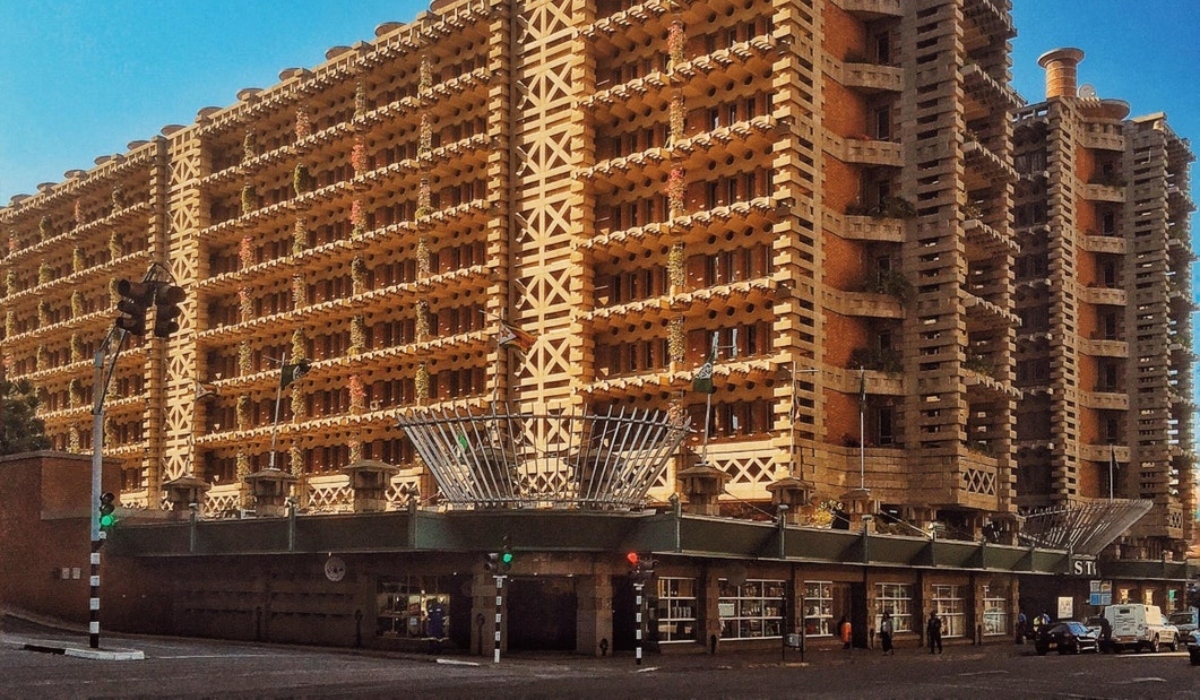
The Eastgate Centre in Harare is a remarkable testament to sustainable architecture and innovative design. Inspired by the intricate ventilation systems of termite mounds, this commercial building showcases Zimbabwe’s commitment to environmental consciousness. By utilizing passive cooling techniques, it minimizes energy consumption, offering a comfortable indoor environment while reducing the ecological footprint. The Eastgate Centre stands as a pioneering example of harmonizing modern architecture with nature. - Victoria Falls Bridge:
Connecting Zimbabwe and Zambia, the Victoria Falls Bridge is a stunning engineering feat that spans the Zambezi River. Completed in 1905, this historic steel arch bridge, designed by George Andrew Hobson, offers breathtaking views of the majestic Victoria Falls. The bridge serves as a vital transportation link and a popular tourist attraction, inviting visitors to admire both its architectural splendor and the awe-inspiring natural wonder it overlooks. - National Sports Stadium:
The National Sports Stadium in Harare is a significant landmark, hosting numerous sporting events and cultural gatherings. This iconic structure boasts a capacity of over 60,000 spectators and features a distinctive circular design that pays homage to traditional African architecture. The stadium’s construction played a pivotal role in Zimbabwe’s sporting legacy, hosting memorable moments in the nation’s history and fostering a sense of national unity through shared experiences.
Conclusion:
Zimbabwe’s popular buildings are more than just physical structures; they represent the nation’s rich heritage, resilience, and aspirations. From the ancient marvels of Great Zimbabwe to the sustainable design of the Eastgate Centre, each building tells a story, encapsulating the spirit of Zimbabwe and its people. These architectural gems stand as symbols of progress, cultural identity, and a testament to the creativity and craftsmanship of Zimbabwean architects and builders. As Zimbabwe continues to evolve, these buildings serve as a reminder of the past and a catalyst for future growth, inspiring generations to come.ook. It has survived not only five centuries, but also the leap into electronic typesetting, remaining essentially unchanged.when an unknown printer took a galley of type and scrambled it to make a type specimen book.